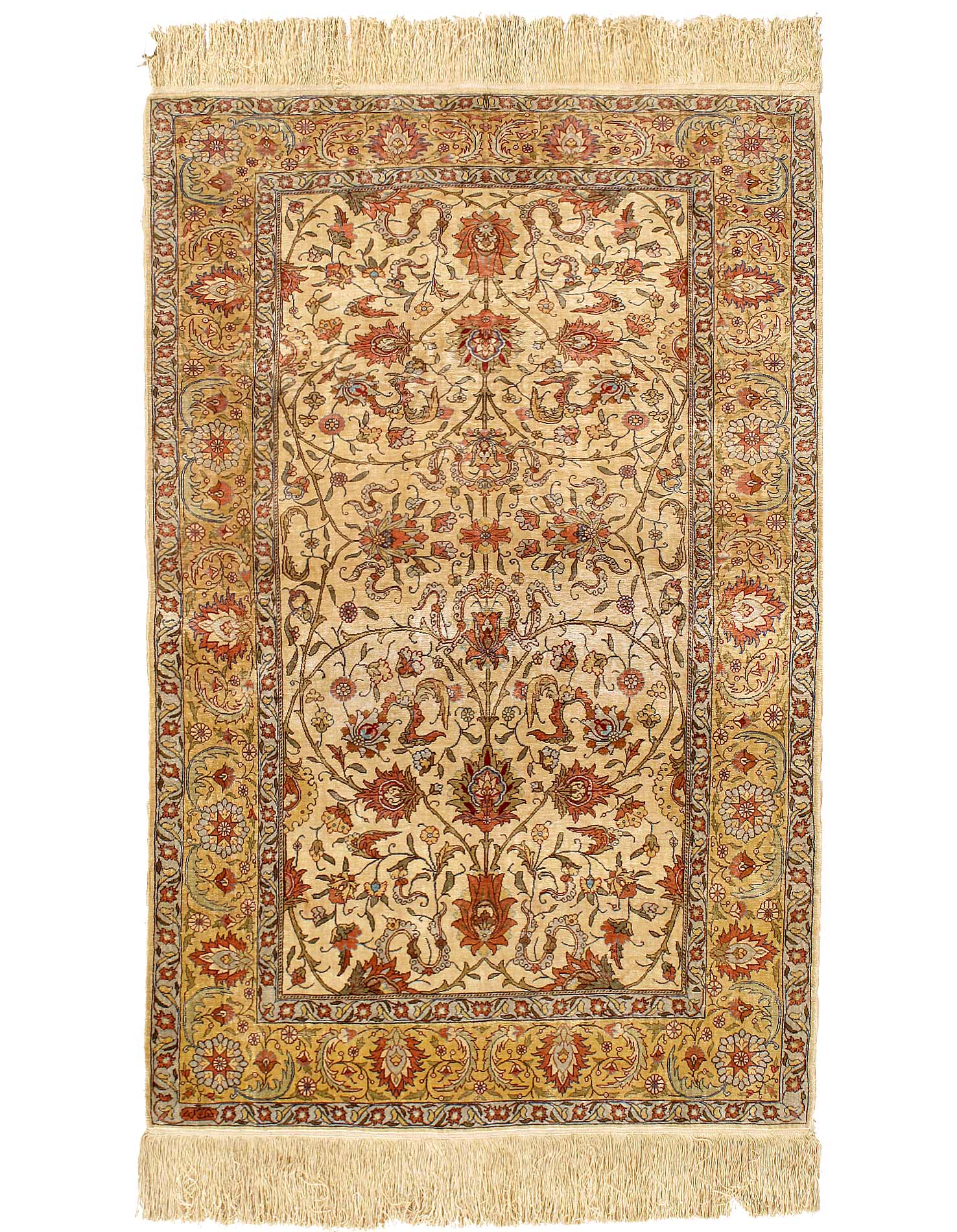
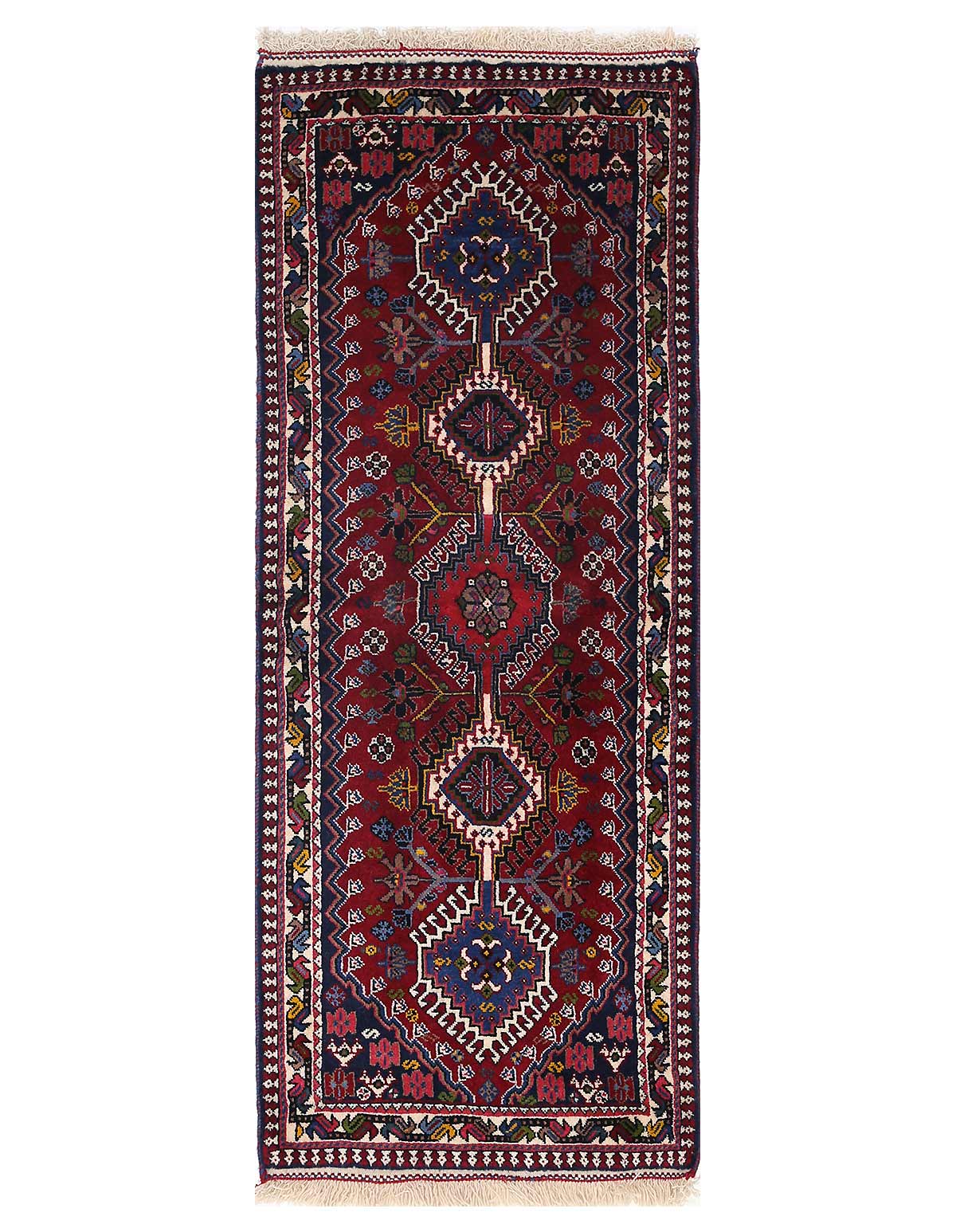
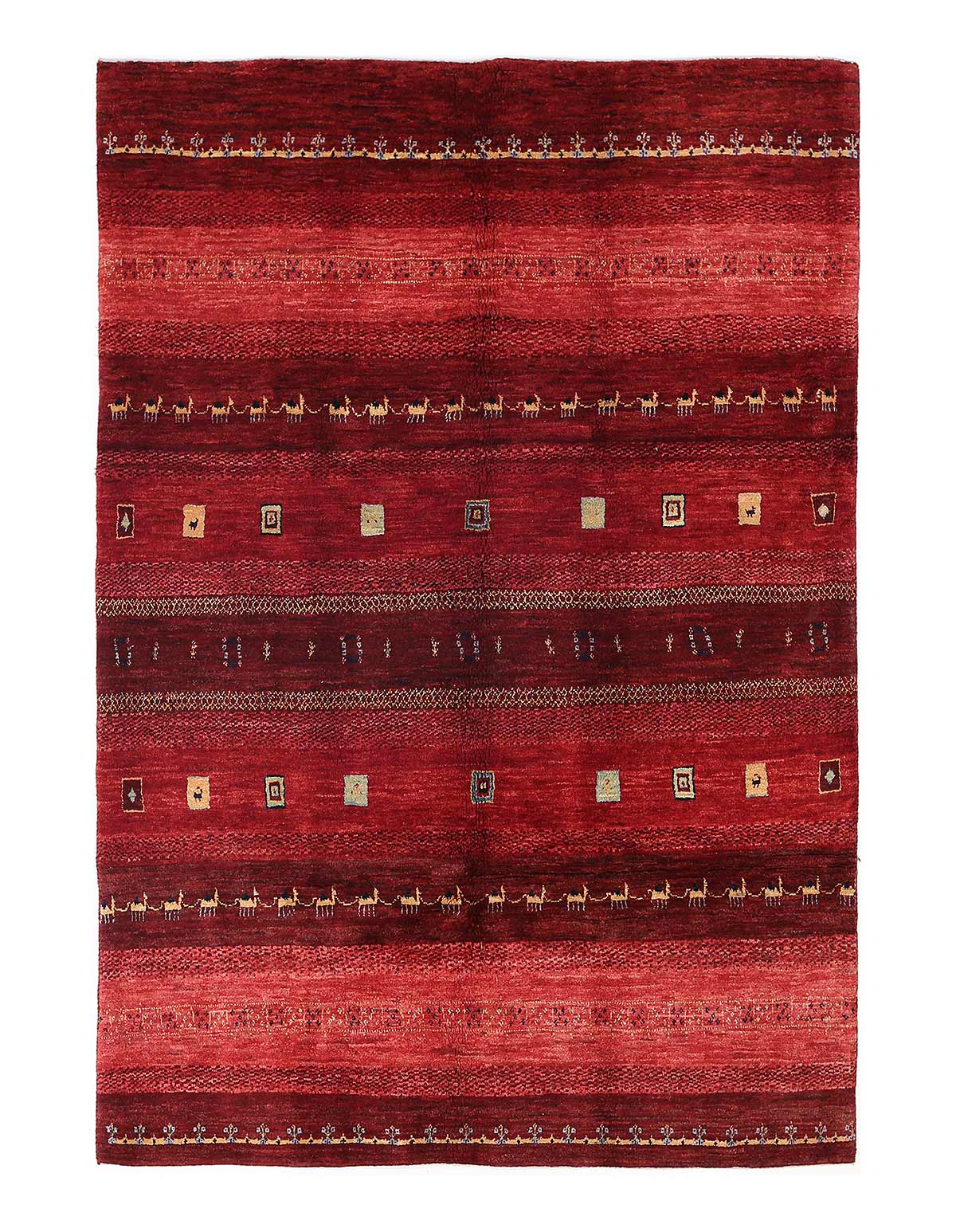
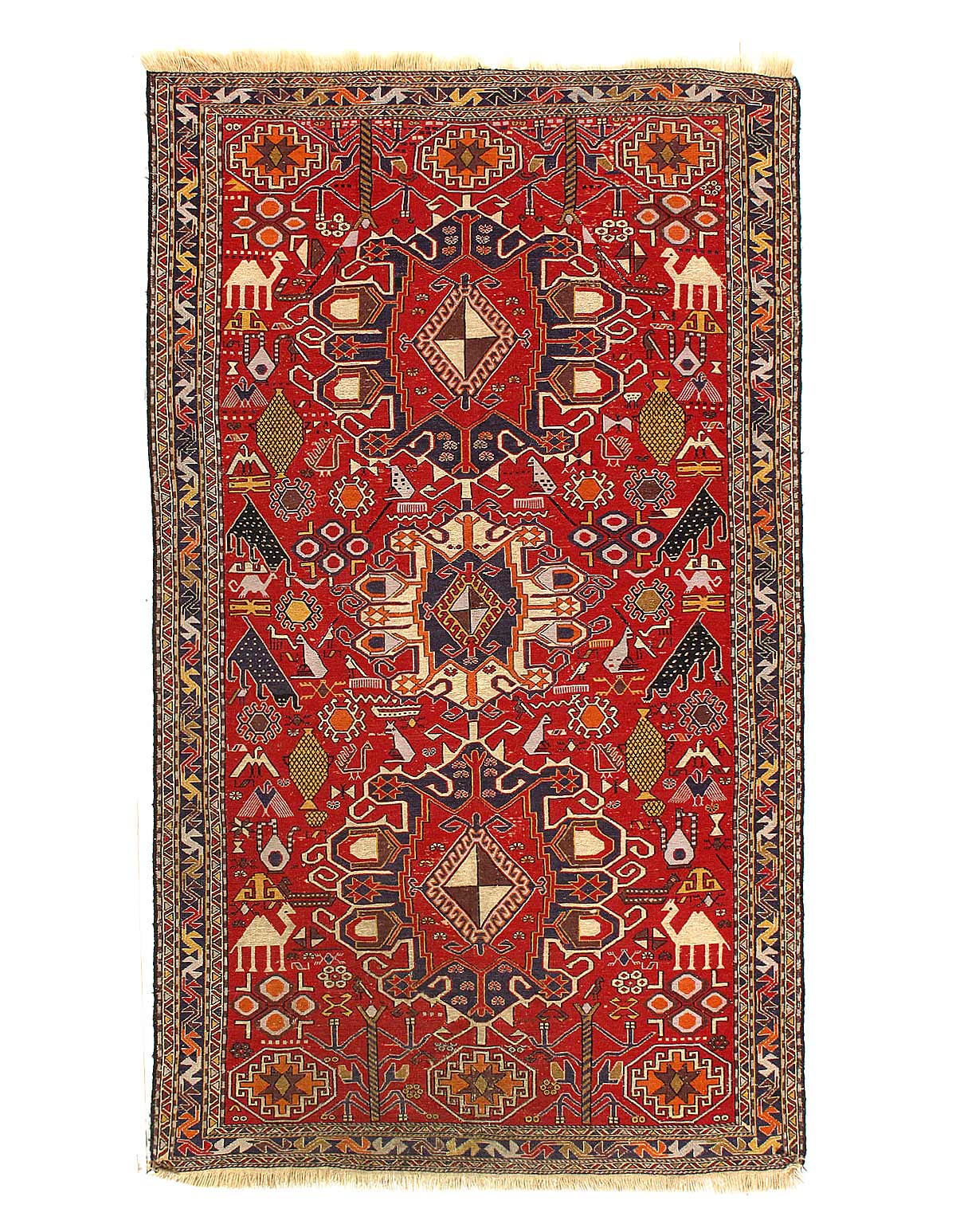
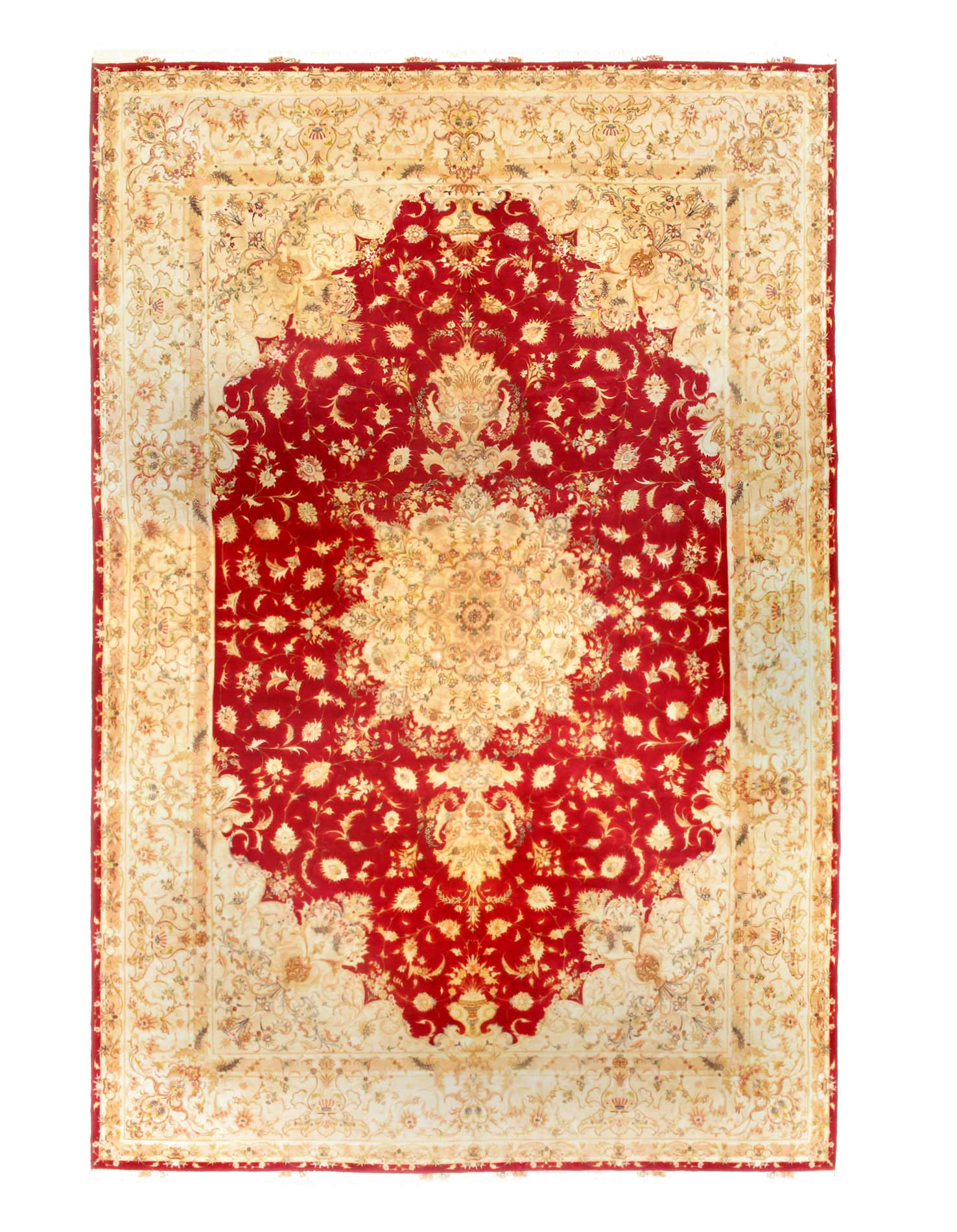
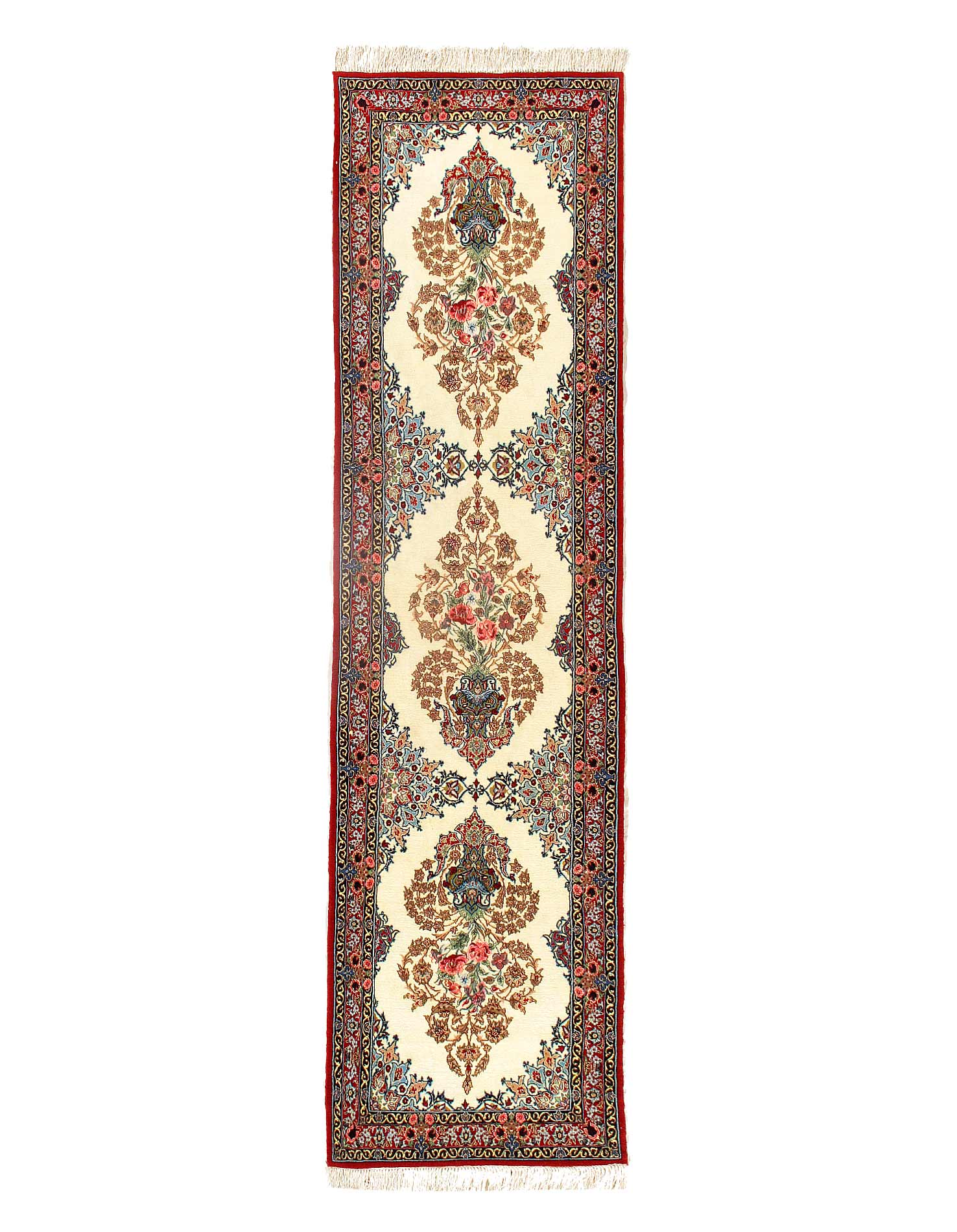
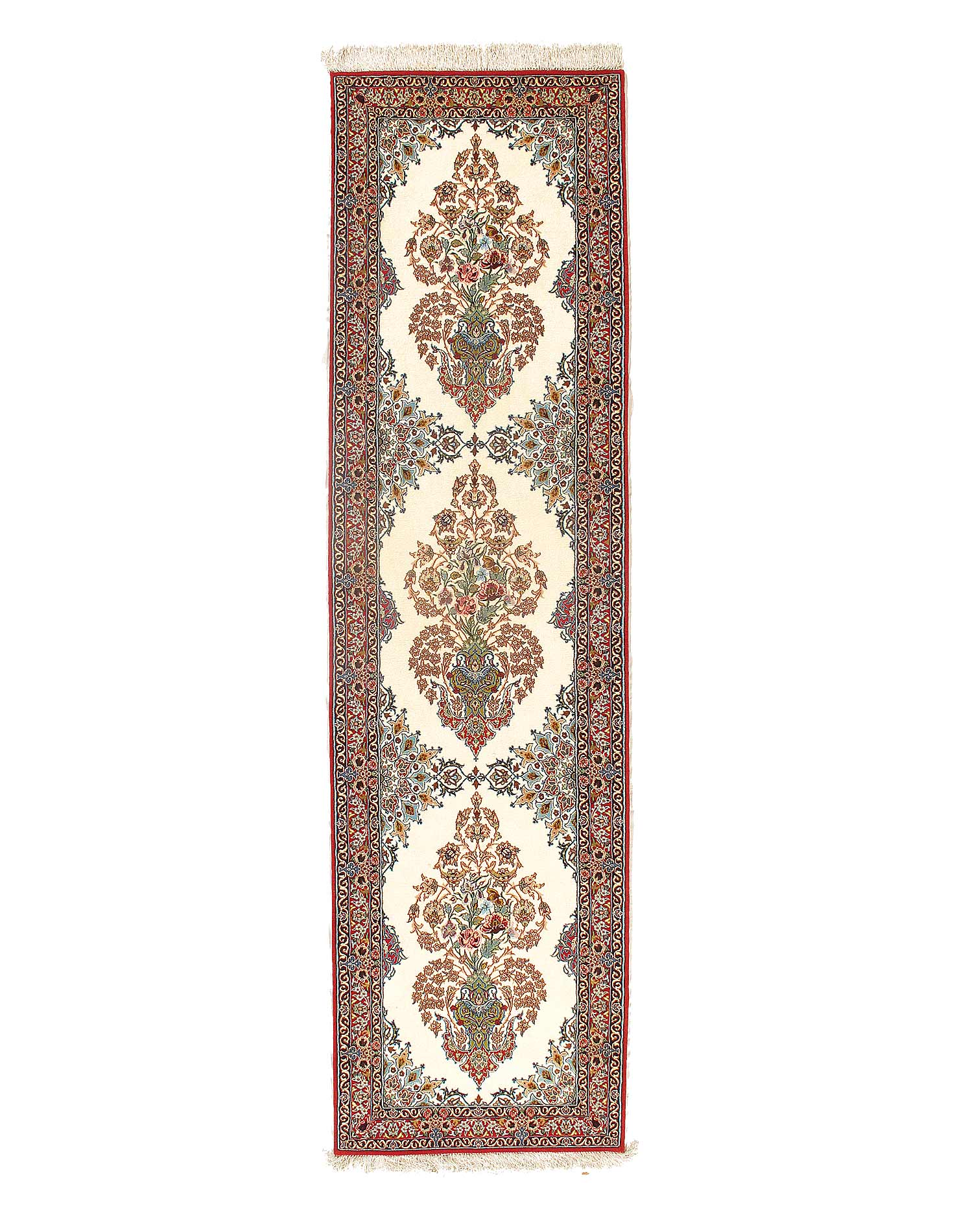
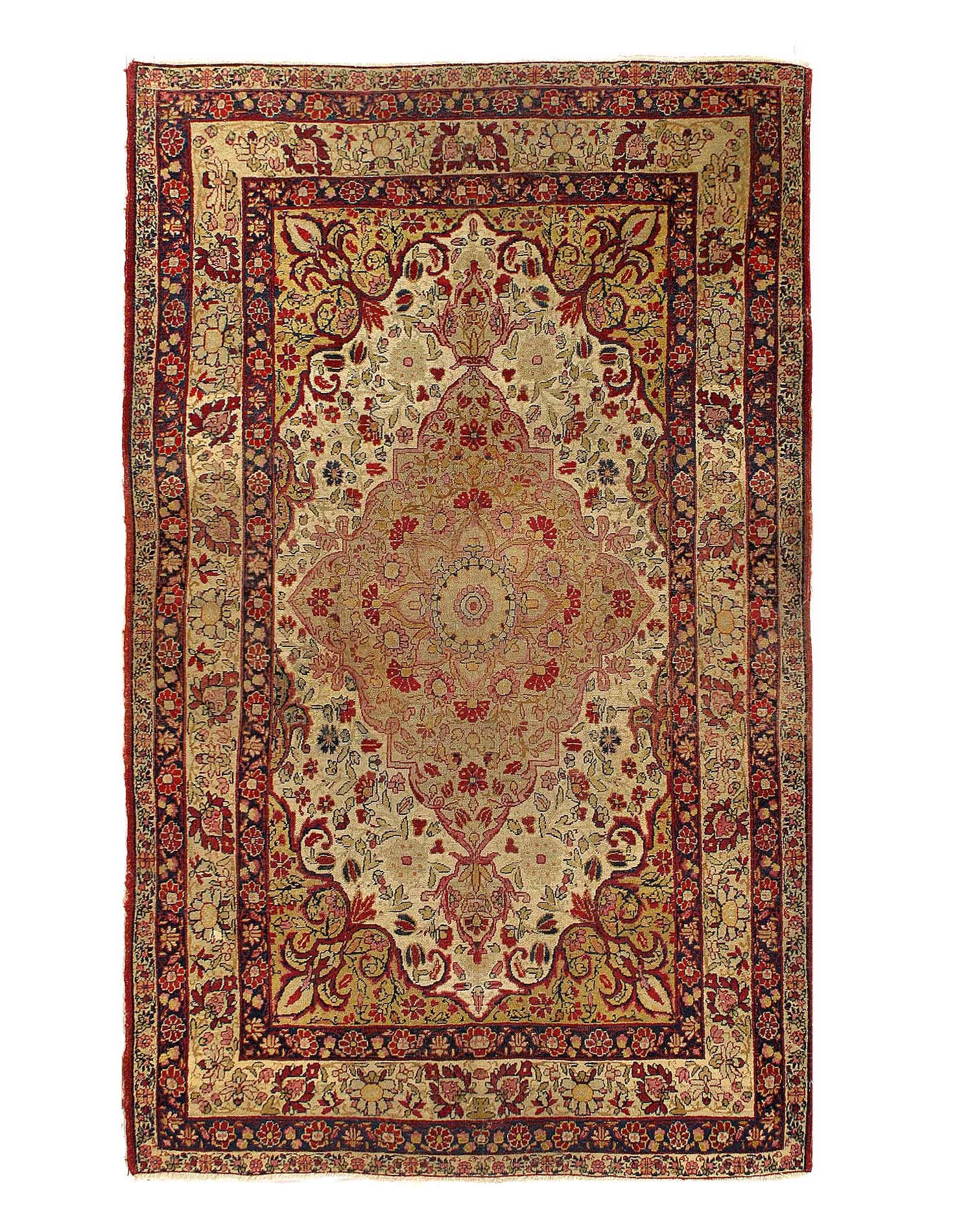
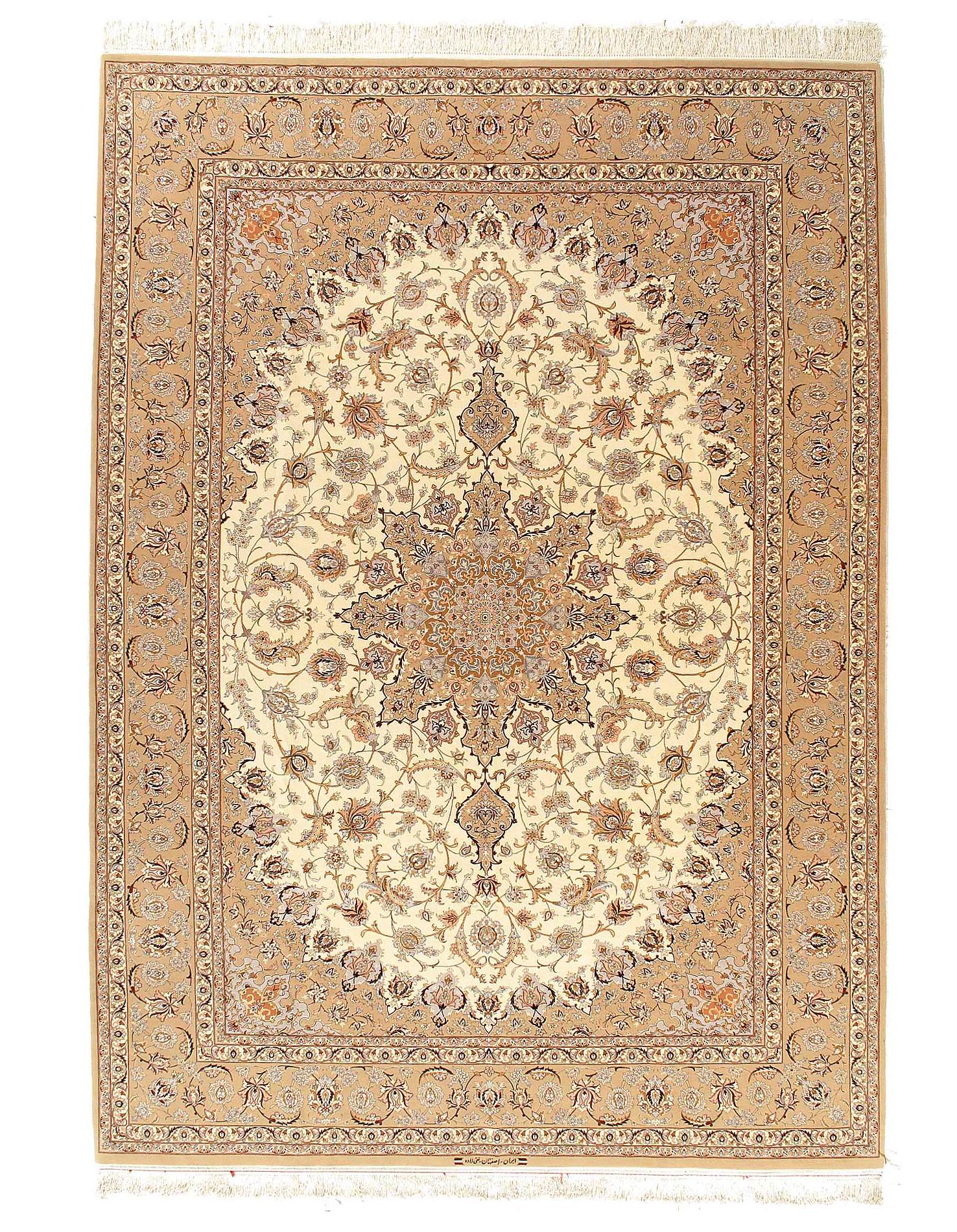
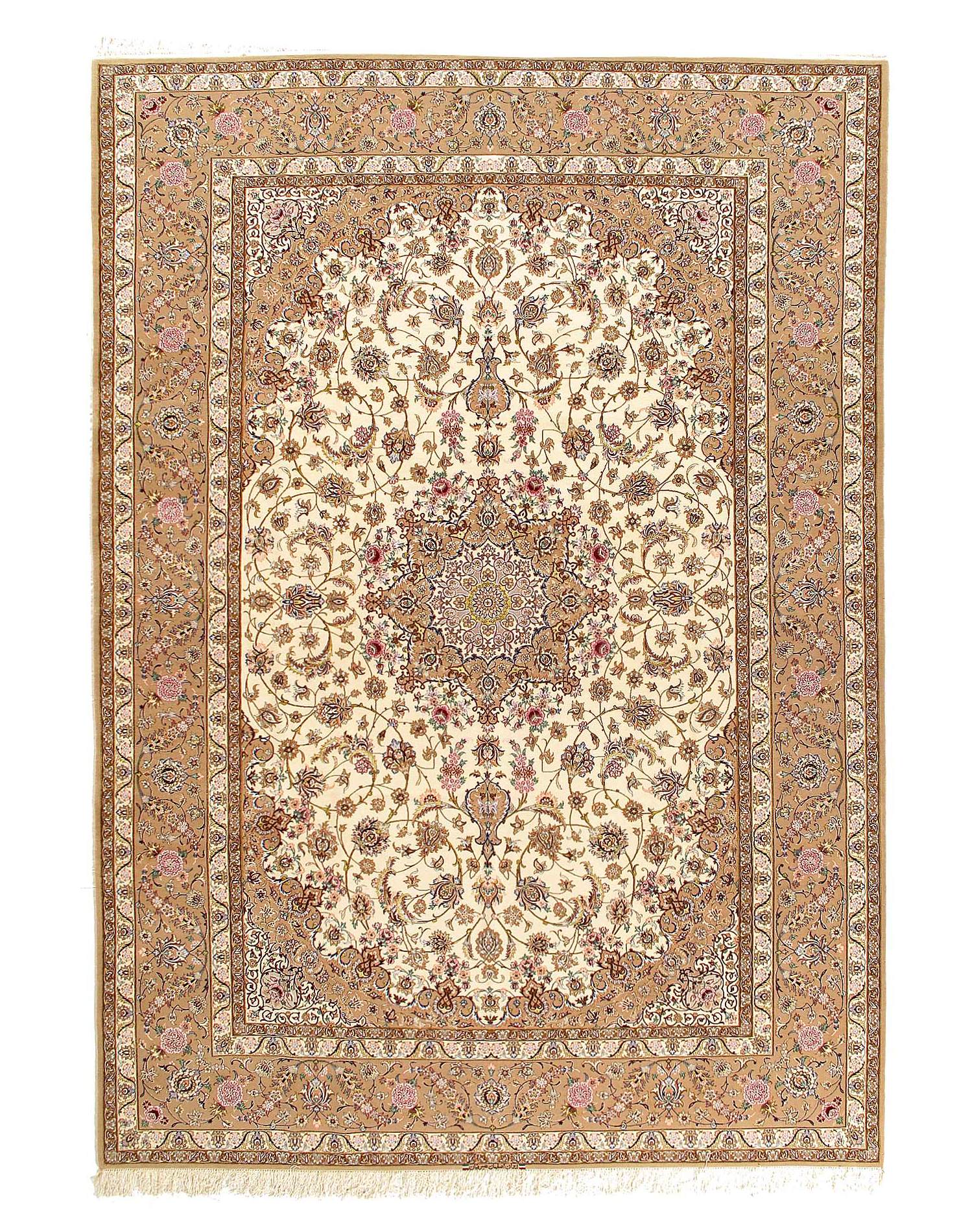
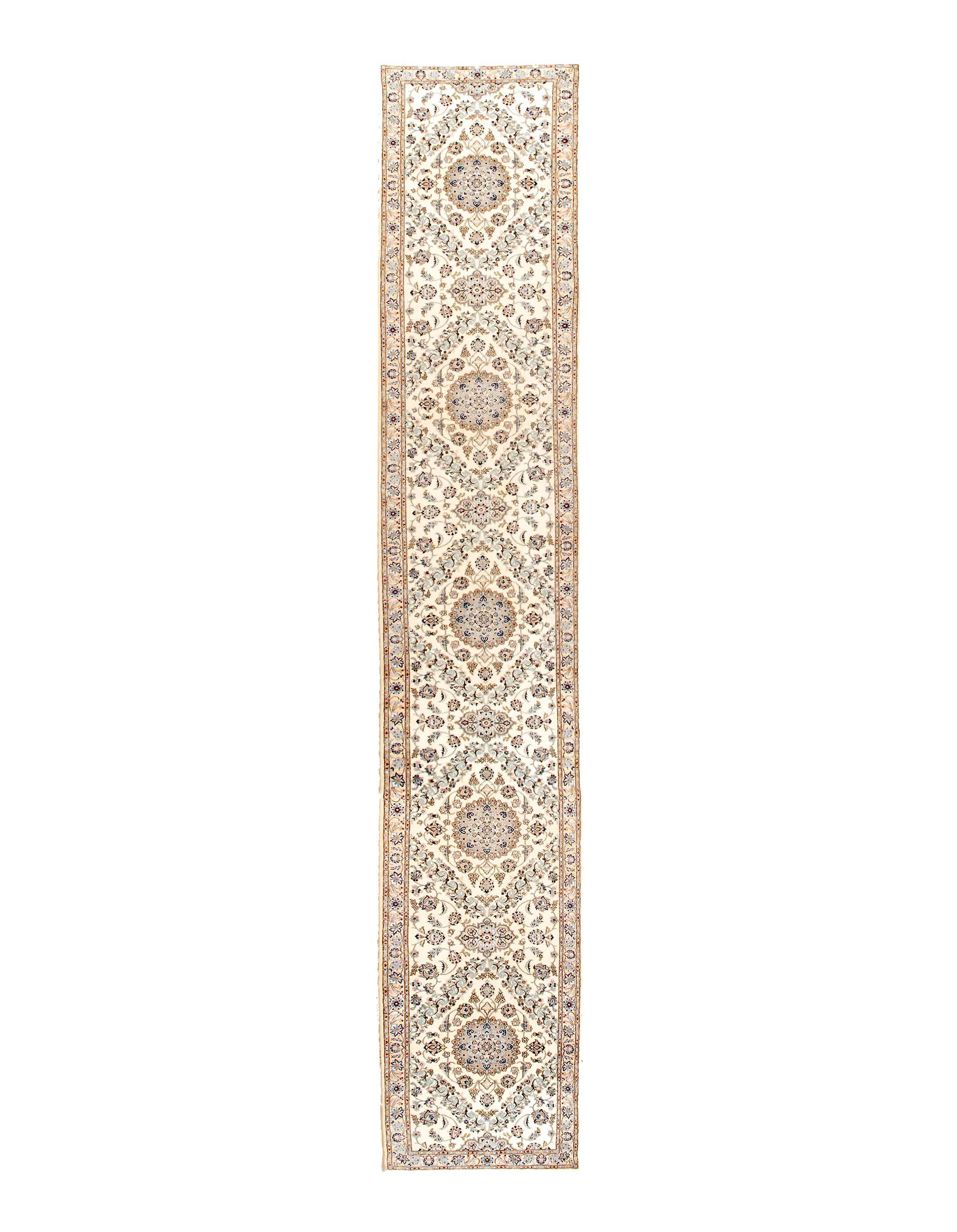
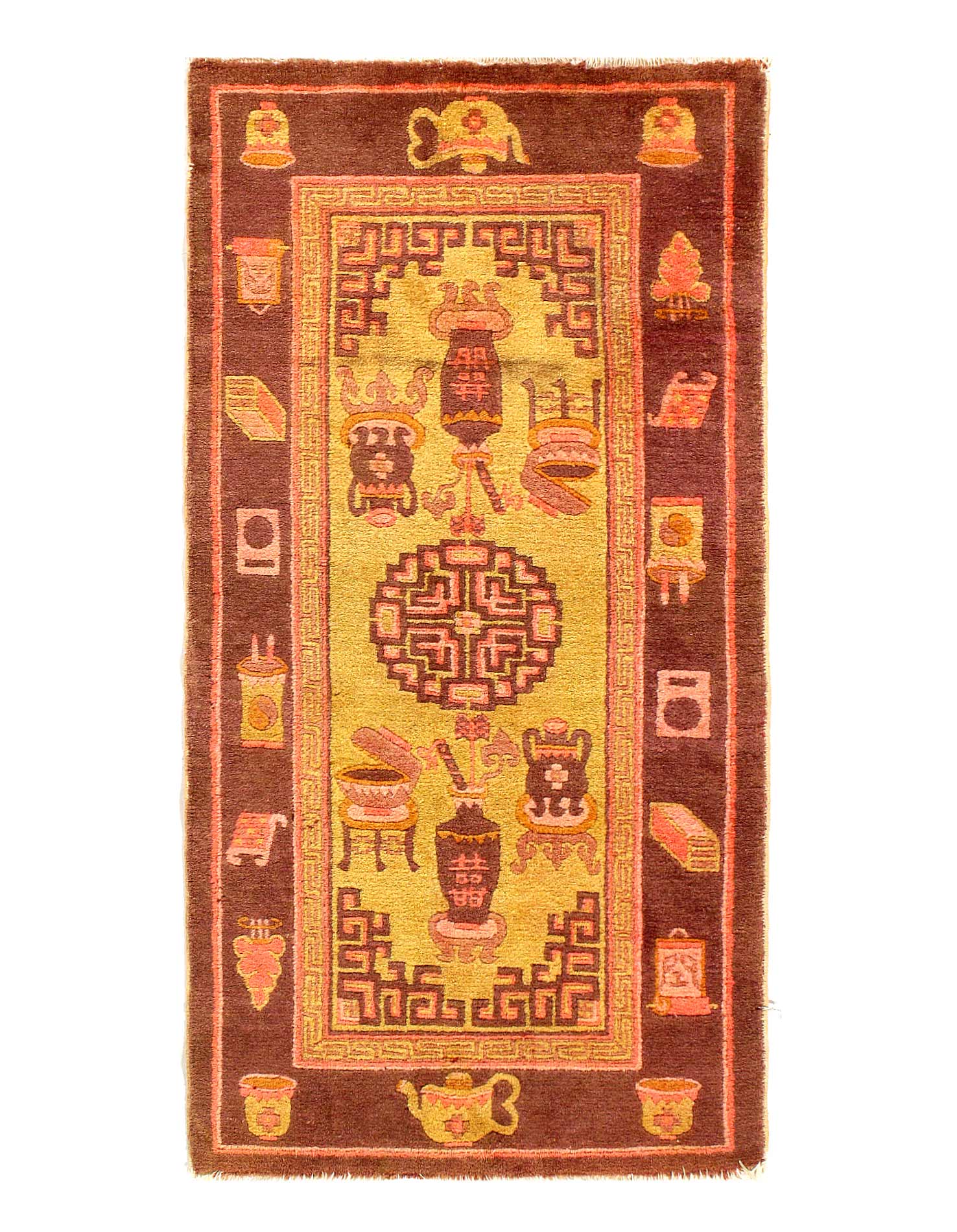
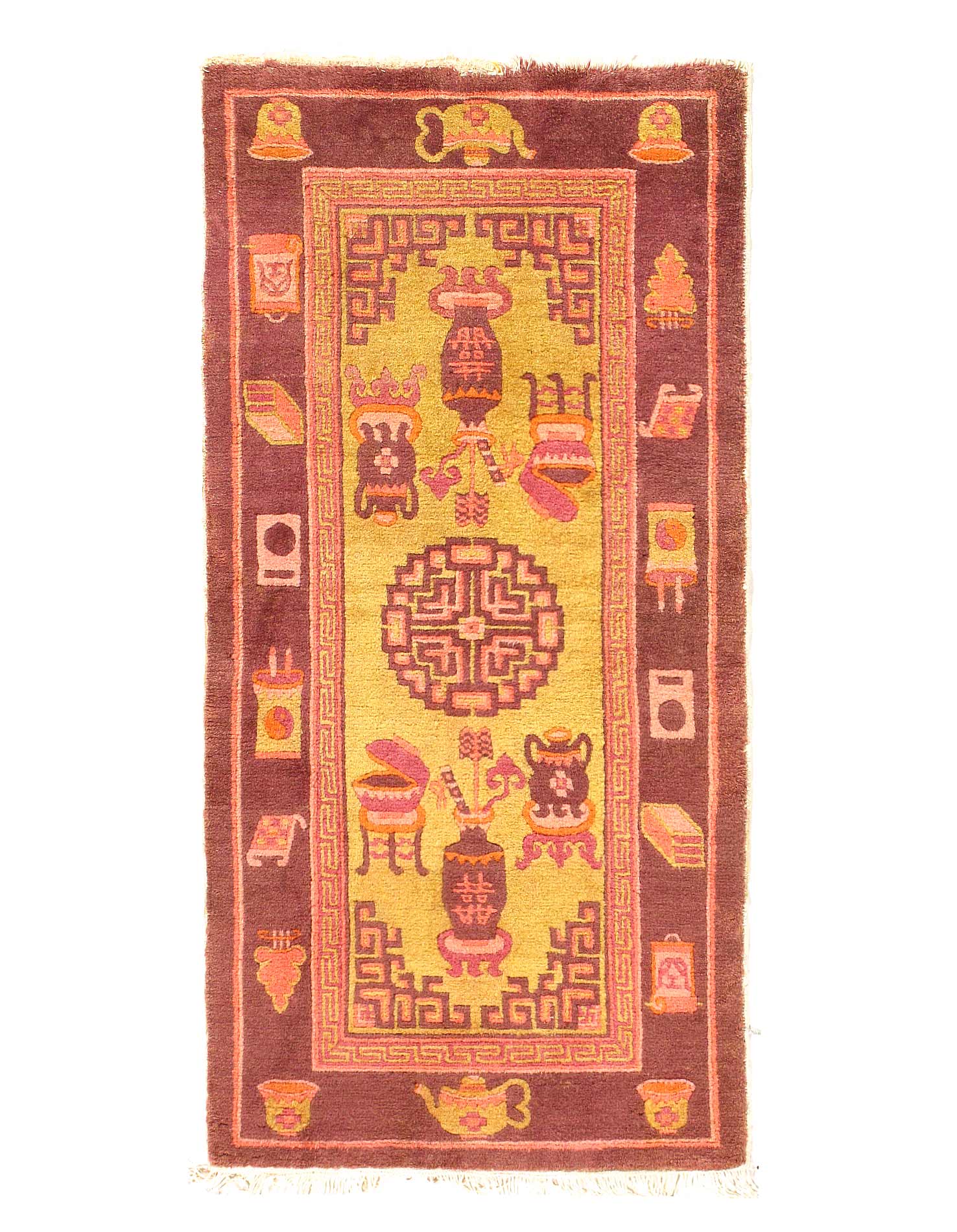
Turkish Hereke rugs have a prestigious and time-honored heritage that originates from the historic town of Hereke in Turkey. Hereke, known for its exquisite craftsmanship and dedication to the art of carpet weaving, has been a renowned center for rug production for centuries. The history of Turkish Hereke rugs can be traced back to the early 19th century during the Ottoman Empire, when Sultan Abdulmecid I established a royal factory in Hereke in 1843.
Under the direct patronage of the Ottoman court, skilled weavers and artisans were commissioned to create opulent and exceptional rugs for the sultan and his courtiers. The rugs produced in the Hereke factory were intended to rival the finest Persian and European carpets of the time. To achieve this, the weavers incorporated intricate designs, unique patterns, and the most luxurious materials, including silk, wool, and even precious metals like gold and silver threads.
The establishment of the Hereke factory marked a turning point in the history of Turkish carpet weaving. It elevated the art form to new heights of refinement and elegance, setting the standard for superior craftsmanship and artistic expression. The rugs produced in Hereke became a symbol of prestige, and their reputation spread far beyond the Ottoman Empire, captivating the attention of collectors and dignitaries worldwide.
Today, Turkish Hereke rugs are celebrated as some of the finest examples of carpet artistry in the world. They are treasured for their historical significance, unparalleled craftsmanship, and captivating designs. Owning a Turkish Hereke rug is not just an acquisition of a floor covering; it is an opportunity to own a piece of history, to cherish a masterpiece that encapsulates the grandeur and artistic finesse of the Ottoman era, and to embrace the enduring beauty of Turkish craftsmanship.