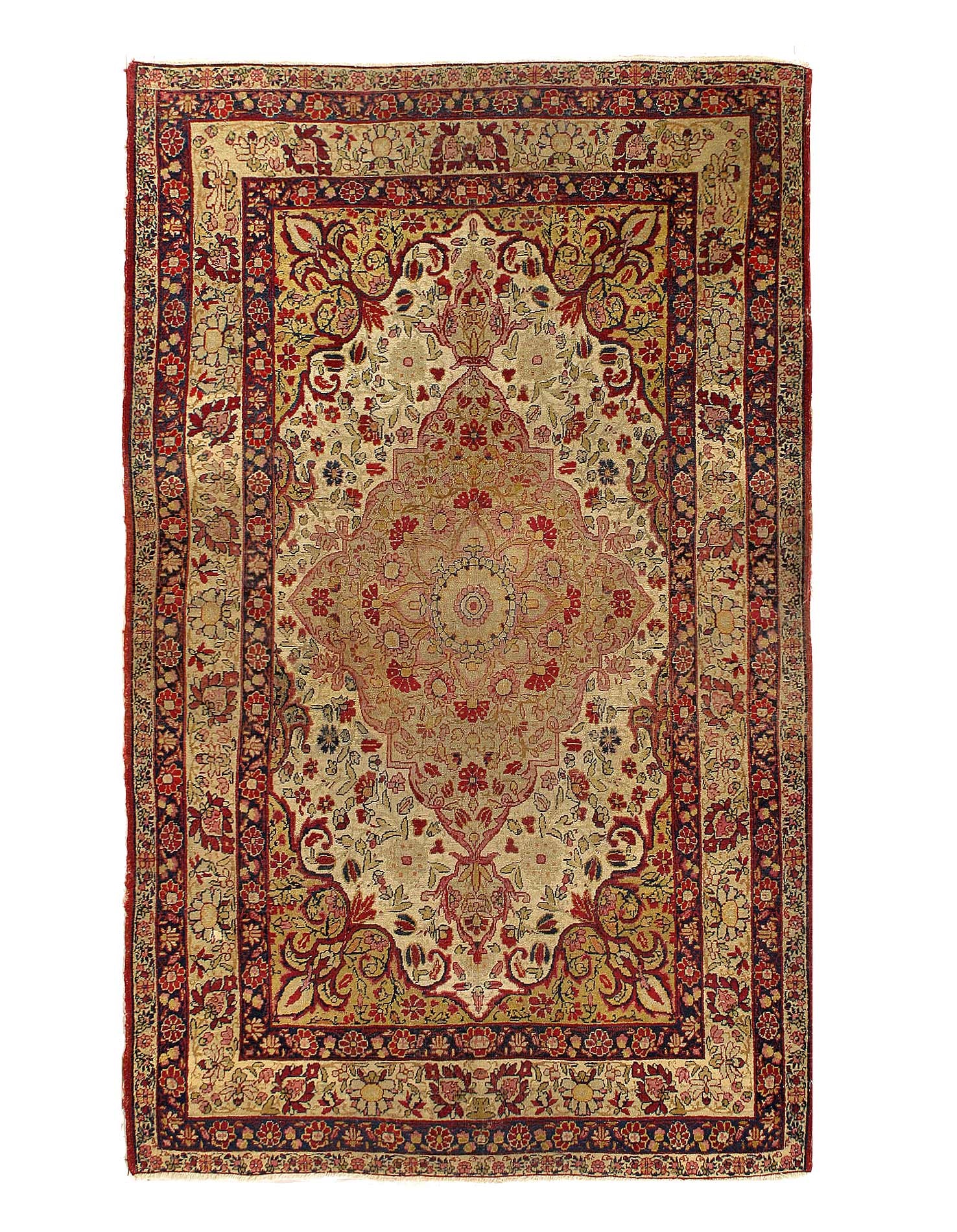
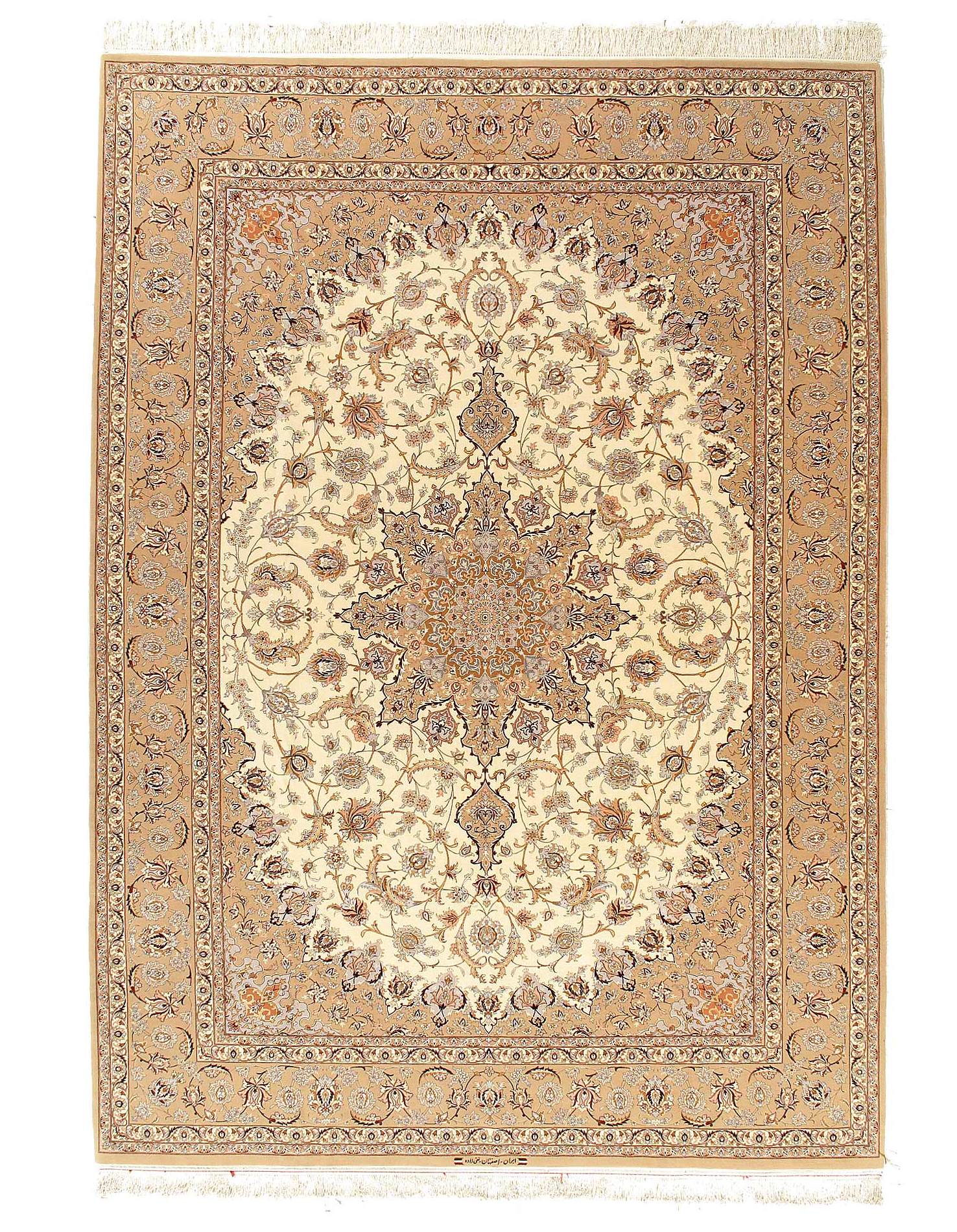
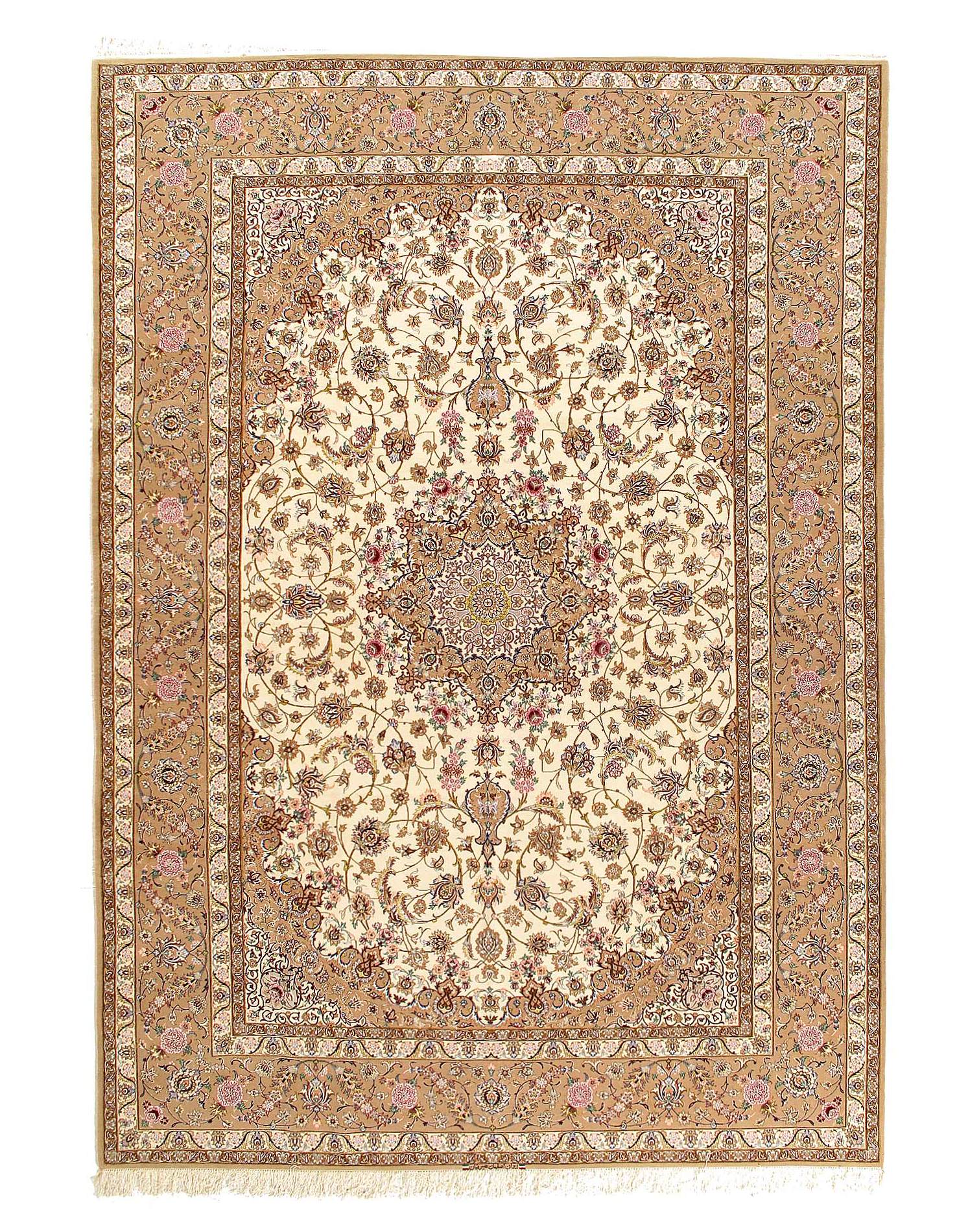
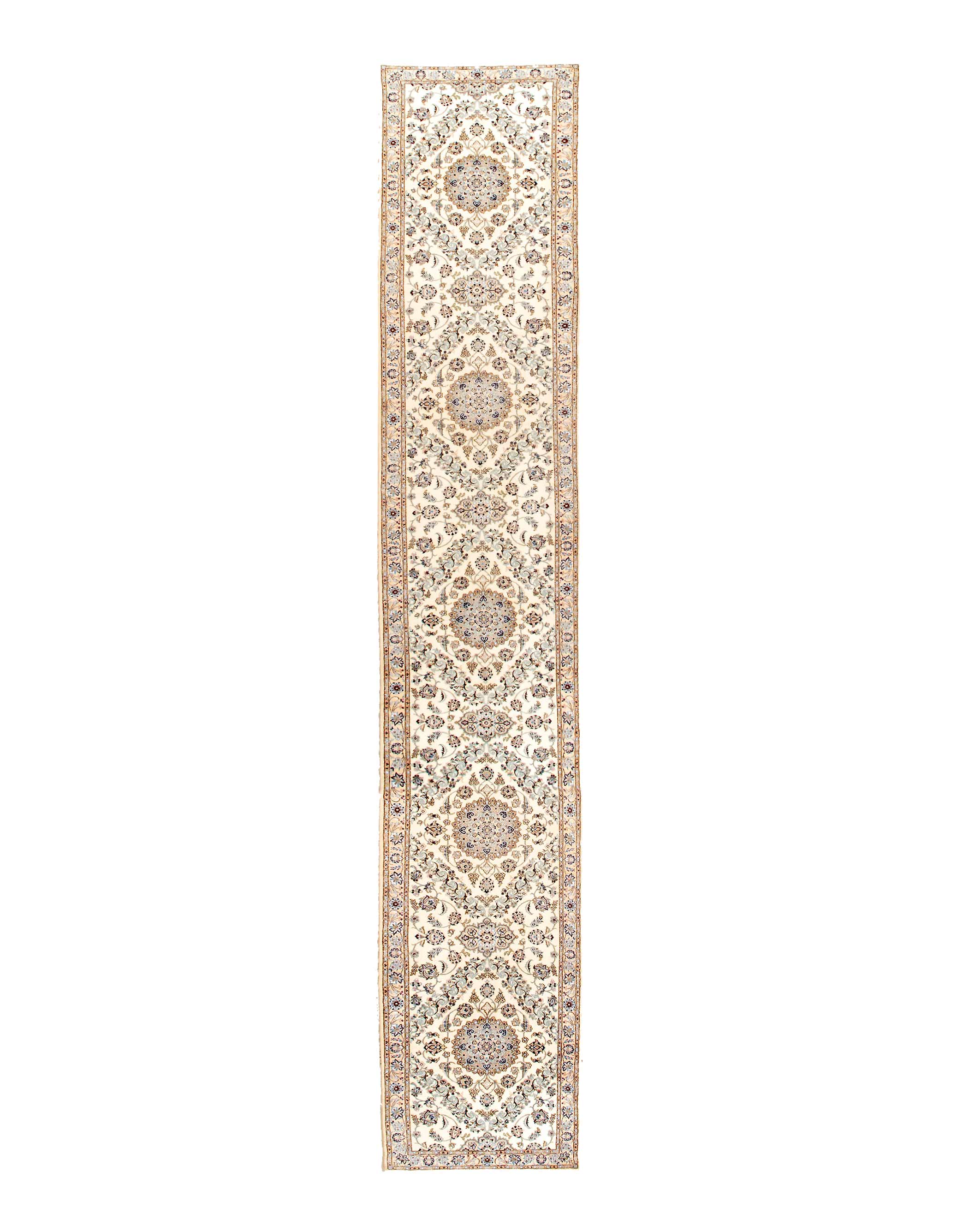
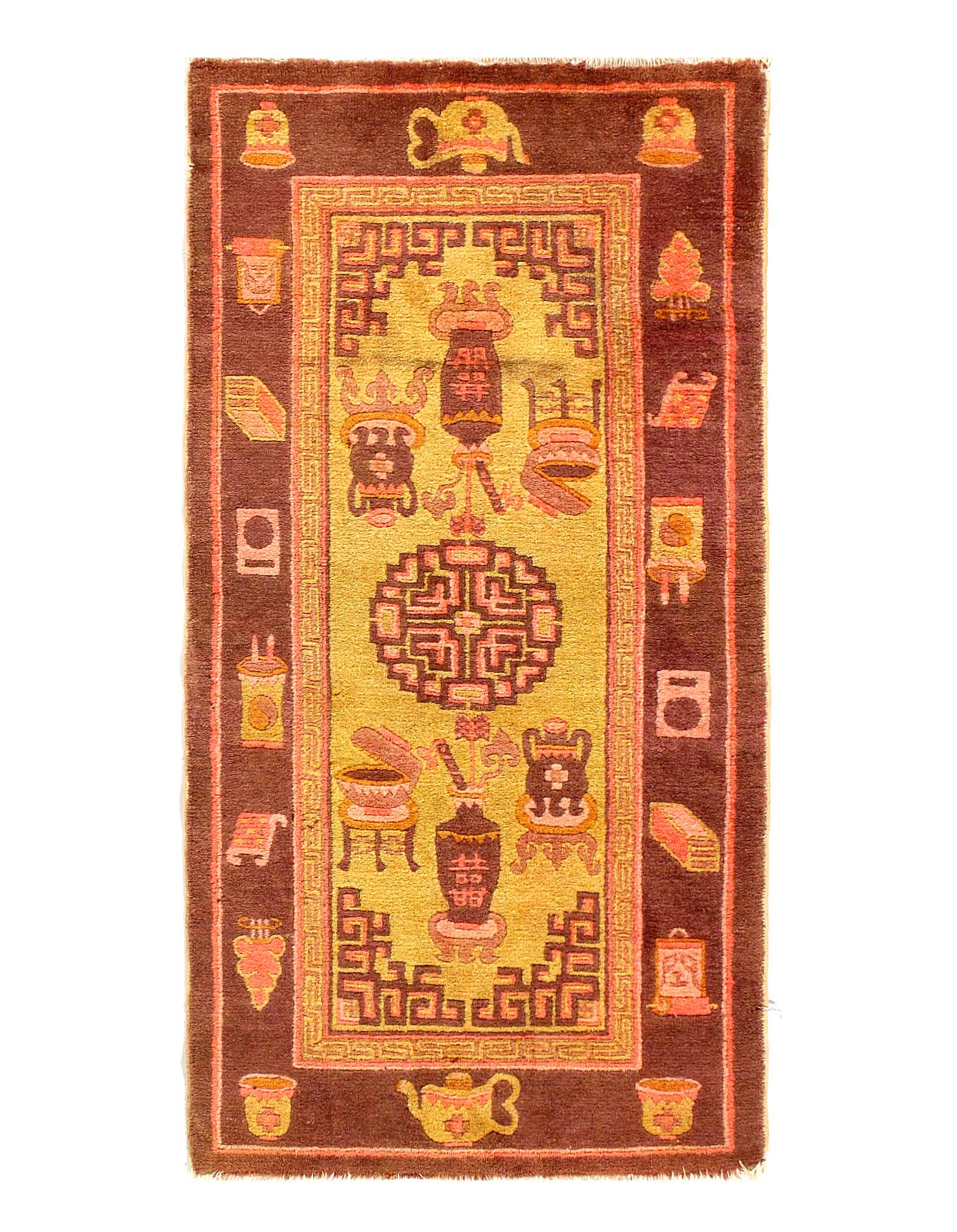
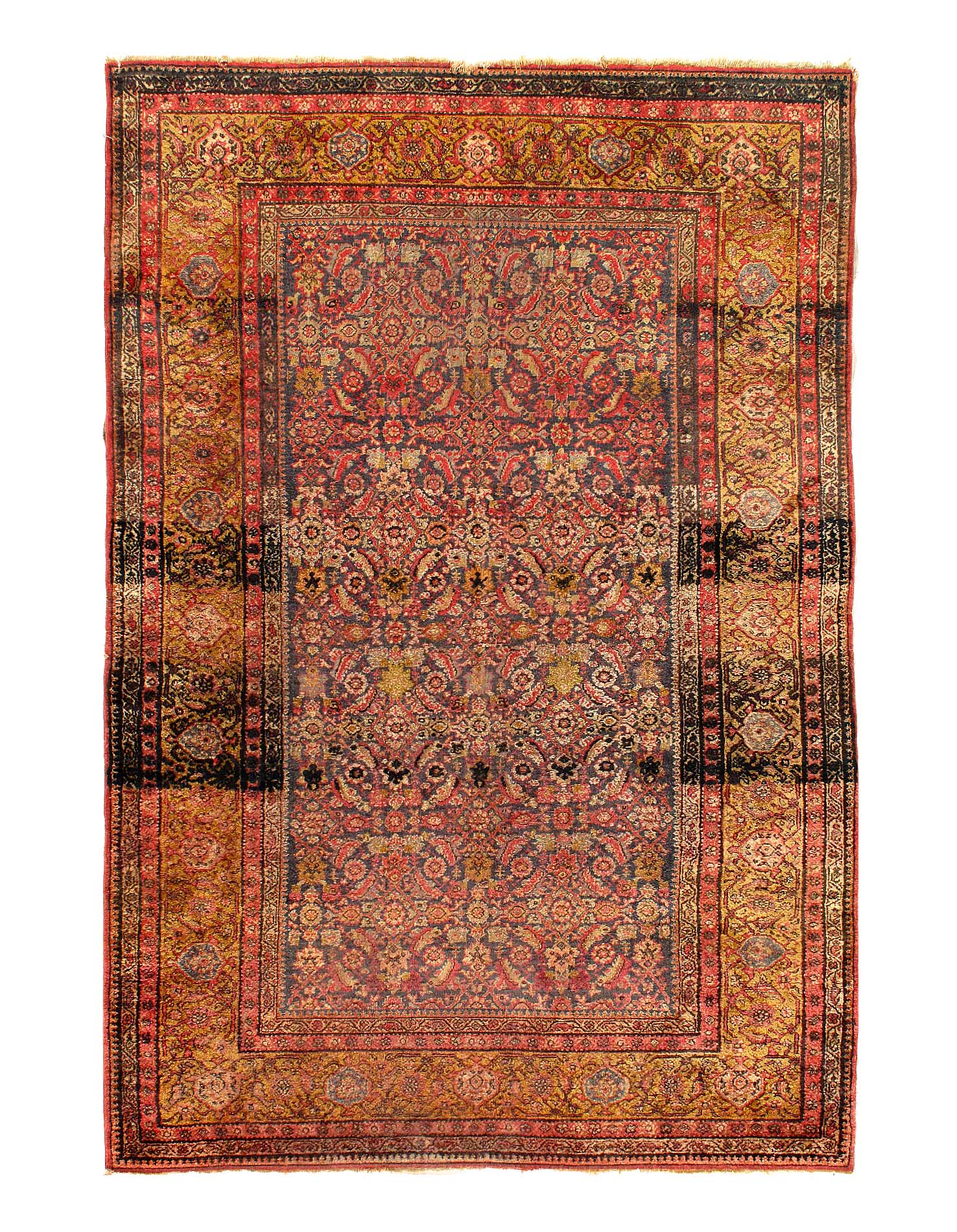
Seraband rug, Seraband also spelled Saraband, handwoven floor covering made in the Ser-e Band locality, southwest of Arāk in west-central Iran. These 19th- and early 20th-century rugs, noted for their sturdiness and unobtrusive charm, have a characteristic pattern (known commercially as the mīr design) of small, complex leaf (boteh) or leaf forms in diagonal rows, their tips pointed alternately in opposite directions. A geometric vine with similar leaf forms usually occupies the principal border stripe. There may be geometric cornerpieces or perhaps a small, similarly geometric central medallion.
Light Brownand ivory are used as ground colours, as well as the usual Seraband red. The knotting is symmetrical, on a cotton foundation. Large Seraband rugs are narrow rather than of room dimension.
? Choosing the right rug can transform your living room!
- Size matters: Make sure your rug fits the seating area all furniture legs should rest on it or at least the front legs.
- Style & color: Pick a rug that complements your furniture. Neutral rugs work well for bold furniture, while colorful rugs add vibrancy to neutral rooms.
- Material: For high-traffic areas, choose durable materials like wool or synthetic fibers.
- Texture: Plush rugs add warmth, while flat-weave rugs are easier to maintain.
? Need help? Contact our support or check out our blog for more tips!
Don't forget to add a rug pad—it helps your rug feel better and last longer!